Unknown or suspect materials
A material, residue, container, or building component cannot be reliably identified on site.
Practical environmental support for known or suspected hazards in residential, commercial, multifamily, institutional, restoration, and renovation projects. Safe Abate helps identify the correct path, control the work area, and document the completed scope.
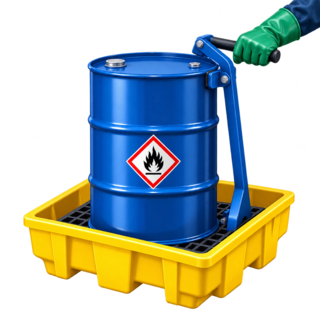
Environmental hazards should be identified before cleanup, renovation, demolition, or restoration work disturbs them. The safest and most efficient path begins with reliable information about the material, affected area, exposure concerns, and planned project.
A material, residue, container, or building component cannot be reliably identified on site.
Planned work may disturb a confirmed or suspected hazard inside the project area.
Water, fire, impact, or building damage has exposed or spread potentially hazardous material.
A documented environmental scope is needed for multifamily, institutional, municipal, or commercial work.
Identify before disturbing: Controls and cleanup methods must match the actual hazard. Unknown material should not be handled as ordinary construction debris.
Hazardous material work is not one-size-fits-all. Safe Abate reviews the specific substance, setting, condition, access, and project goals before defining what can be handled and how the work should proceed.
Services, controls, and disposal requirements are confirmed after the material and project conditions are reviewed.
The process begins with identification and ends with a documented handoff. Each step is adjusted to the hazard, property, and larger project.
We review what was found, site history, photographs, labels or records, affected areas, and planned work.
Existing documentation or material-specific assessment is used to define the hazard and scope.
Controls, PPE, access, handling, waste requirements, scheduling, and project coordination are established.
The work area is controlled, and qualified personnel complete the approved handling or cleanup scope.
The area is cleaned using hazard-appropriate methods and prepared for required review or verification.
Project records, photographs, disposal information when applicable, and next steps are organized.
The work plan must reflect how the material can spread, how people could be exposed, and what the property needs to remain protected during the project.
Barriers, restricted access, controlled entry, and warning information help separate the project from occupants and unaffected spaces.
Ventilation, filtration, dust suppression, secondary containment, or other controls are selected for the confirmed hazard.
Qualified personnel use protective clothing, gloves, respiratory protection, and work practices suited to the material and task.
Containers, packaging, labeling, temporary storage, transportation, and disposal coordination are matched to the material classification.
Environmental work often sits between an unexpected discovery and the repair, renovation, restoration, or demolition that needs to continue. Safe Abate keeps owners and project partners informed so the next step is based on a clearly defined completed scope.
Send us the available report, label, photograph, or project description. If the material has not been identified, we will help determine what information is needed before controlled work begins.
Discuss Your ProjectWe support scheduled, urgent, and larger environmental projects across Washington. Mobilization depends on material, location, scope, and required equipment.
These answers help owners and project teams understand what to do before an environmental hazard is disturbed.
We support building-related and property-specific environmental hazards that require evaluation, planning, containment, controlled handling, cleanup, or project coordination. Because requirements vary by material, we confirm the substance and scope before representing that a specific service can be performed.
Do not touch, sweep, vacuum, smell, move, or otherwise disturb an unknown material. Keep people away from the affected area when that can be done safely and contact Safe Abate for evaluation. If there is an active spill, strong fumes, fire, physical symptoms, or an immediate danger to people or the environment, leave the area and contact 911 or the appropriate emergency authority.
Not always, but reliable identification is essential. Existing labels, records, safety data, site history, or material-specific testing may be used to define the hazard. We help identify the appropriate next step when the material has not been confirmed.
Yes. Safe Abate can evaluate urgent environmental projects and determine whether the situation falls within our trained capabilities. Response timing depends on the material, location, site conditions, required equipment, and specialty coordination. Active releases, fires, strong fumes, medical symptoms, or other immediate dangers should be reported to 911 or the appropriate emergency authority first.
That depends on the hazard, affected area, exposure pathway, work method, and whether the work zone can be isolated. We explain access restrictions and protective boundaries before controlled work begins.
Waste must first be identified and properly classified because handling and disposal requirements vary by material. Packaging, labeling, storage, transportation, documentation, and disposal are matched to the confirmed waste classification and applicable regulations. Regulated waste is sent to an appropriately authorized facility when off-site disposal is required.
Yes. Safe Abate works with property owners, contractors, restoration companies, property managers, and insurance-related teams so environmental work supports the larger project and its schedule.
Yes. Safe Abate is based in Yakima and serves residential, commercial, multifamily, institutional, restoration, and larger projects throughout Washington State.
Tell us about the property and what you need. Our team will help you identify the right next step.